



Product Categories
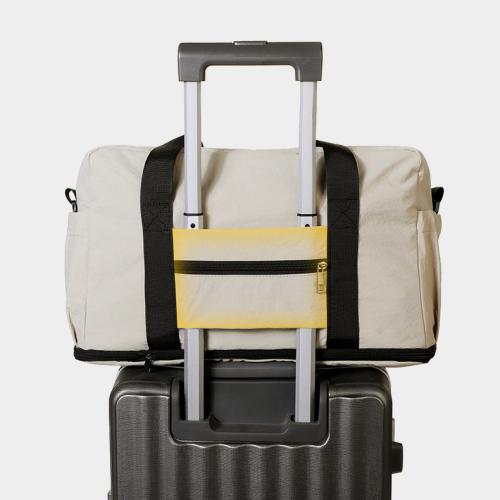
Travel Luggage Bag
Travel Luggage Bags Travel luggage bags have a spacious interior, suitable for short trips, business trips, fitness and weekend trips, and can flexibly store clothes, shoes and personal items.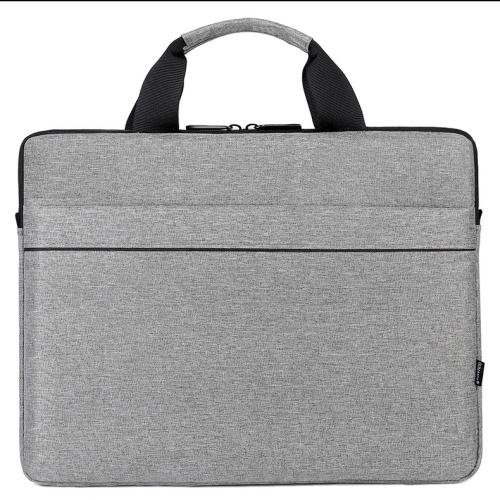
Laptop Bag
Computer bag Computer bag is specially designed for laptops, tablets, documents and office supplies. It has independent protective compartments and is suitable for business commuting, office use and business trips.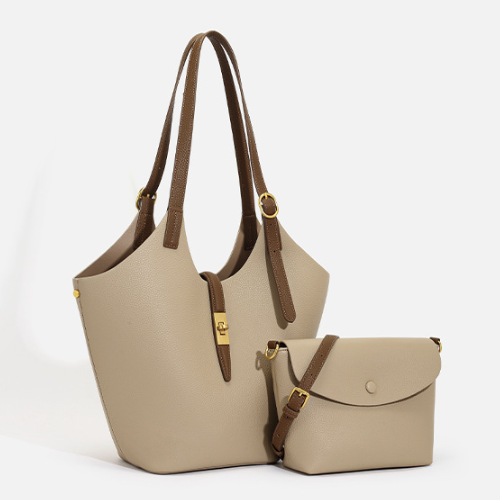
Women’s Handbag
Women's Handbags Women's handbags combine fashionable appearance with daily storage functions. They are suitable for commuting, shopping, dating and daily travel, and meet the multiple needs of female users for capacity, portability and style.
Multifunctional Backpack
Multifunctional backpack Multifunctional backpack is suitable for students, office workers, travelers and outdoor users.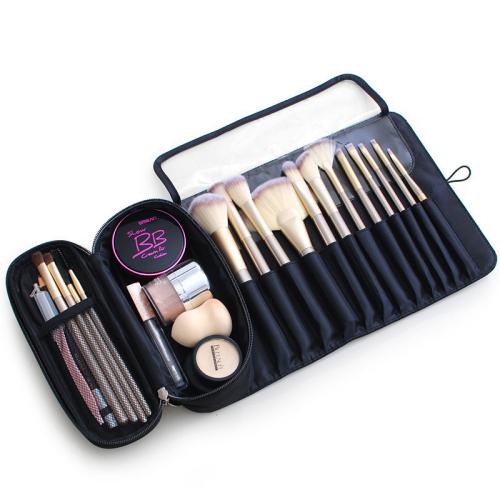
Cosmetic Organizer Bag
Cosmetic Storage Bag Cosmetic storage bag is compact and easy to carry. It is suitable for organizing cosmetics, skin care products, accessories and personal care products to meet the storage needs of home, travel and daily outings.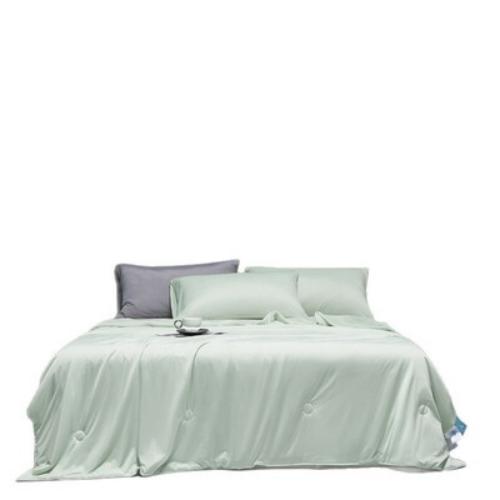
Home Textile Products
Home Textile Products Home textile products include cushions, carpets, curtains, bedding and other soft furnishing products, which can improve home comfort and enrich the color and decorative levels of indoor spaces.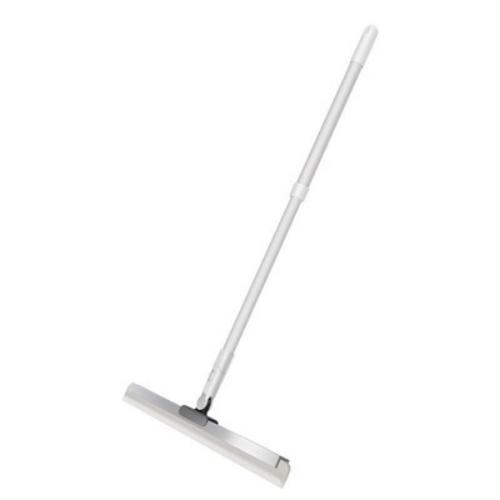
Cleaning Supplies
Cleaning products Household cleaning products cover kitchens, bathrooms, living rooms, bedrooms and other living spaces, helping users complete dust cleaning, surface wiping, floor maintenance and daily organization.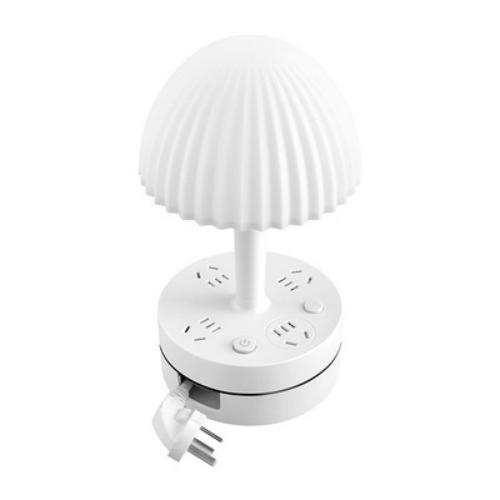
Home Lighting
Home lighting Home lighting covers table lamps, ambient lights, decorative lights and auxiliary lighting products. It is suitable for bedrooms, living rooms, study rooms and office areas, taking into account both lighting and decorative functions.
Decorative Home Accessories
Decorative Ornaments Decorative Ornaments are suitable for areas such as living rooms, bedrooms, entrance halls, study rooms, and desks. They are used to enrich the visual effect of the space and create a more comfortable and hierarchical indoor atmosphere.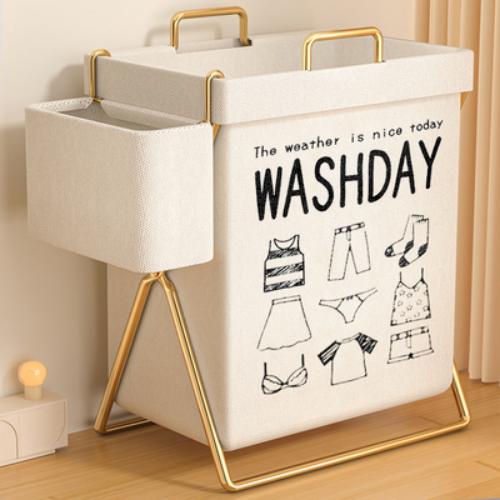
Home Storage Products
Home storage products Home storage products are used to organize clothes, books, toys, sundries and daily necessities. They are suitable for bedrooms, living rooms, kitchens, bathrooms and office spaces.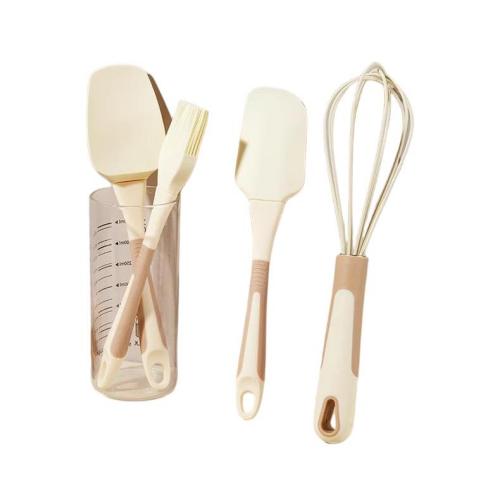
Silicone Baking Tools
Silicone Baking Tools Silicone Baking Tools are suitable for making cakes, breads, cookies and desserts. They are flexible, flexible and suitable for home baking and daily kitchen use.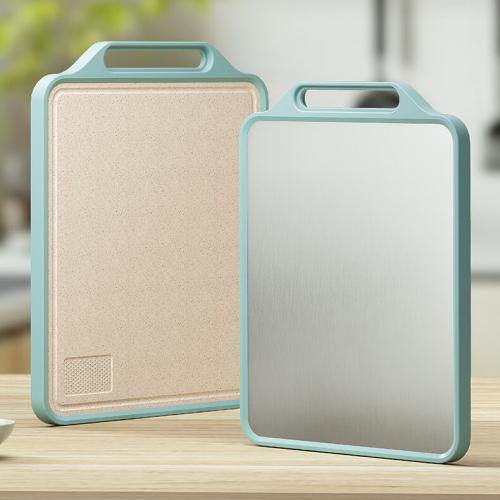
Multifunctional Cutting Board
Multifunctional chopping board Multifunctional chopping board is suitable for processing vegetables, fruits, meat and other ingredients. It can be used for cutting, preparing and sorting vegetables. It is a common tool in the home kitchen.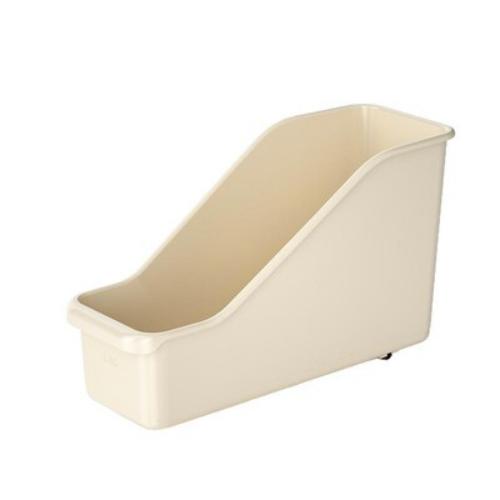
Kitchen Storage Container
Kitchen storage box Kitchen storage box is suitable for storing rice, noodles, cereals, nuts, condiments and other dry goods, helping users classify and organize ingredients and improve kitchen space utilization.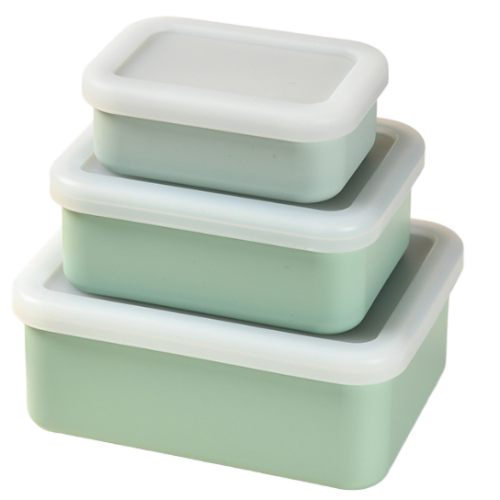
Airtight Food Storage Container
Sealed Fresh-keeping Containers Sealed fresh-keeping containers are suitable for storing leftover ingredients, home meal preparation, dry goods and lunch boxes. They can be easily placed in the refrigerator or carried with you to meet daily food storage needs.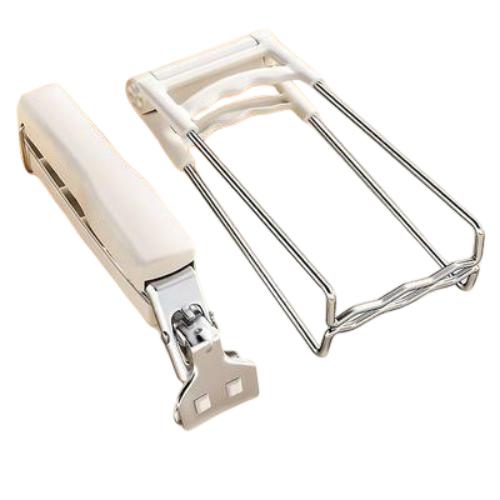
Stainless Steel Kitchen Utensils
Stainless Steel Kitchen Utensils Stainless steel kitchen utensils are suitable for stir-frying, stirring, serving and cooking. They are durable, easy to clean and suitable for use in home kitchens and dining venues.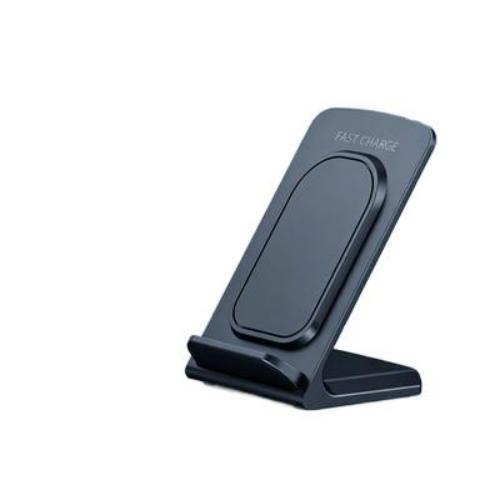
Wireless Charger
Wireless charger Wireless charger is suitable for mobile phones, headphones and other electronic devices that support wireless charging function, reducing the need for plugging and unplugging wires, and is suitable for use at desks, bedside and home scenes.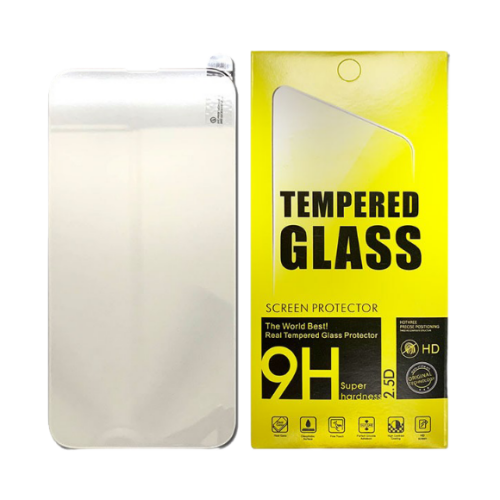
Screen Protector
Screen Protector Screen protector is used to cover the screen of mobile phones to help reduce scratches, fingerprints and minor wear and tear in daily use. It is suitable for sale with different models of mobile phones.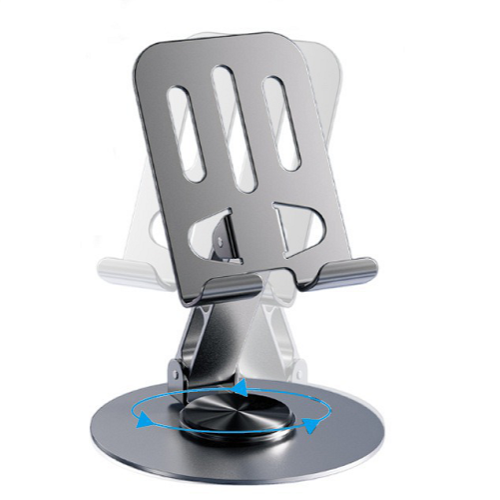
Mobile Phone Stand
Mobile phone holder Mobile phone holder is suitable for use on the desktop, bedside, kitchen, office area and car. It can be used for watching videos, video calls, online meetings and reading.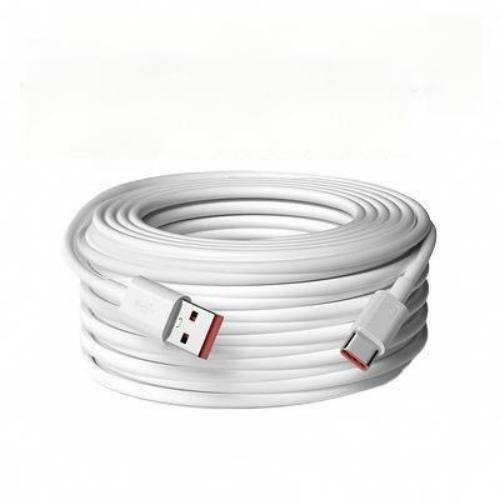
Fast Charging Data Cable
Fast charging data cable is suitable for mobile phones, tablets, headphones and other electronic devices. It supports charging and data transmission and is suitable for home, office, car and travel use.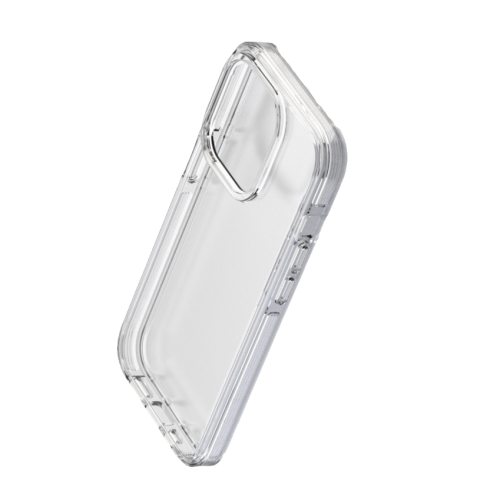
Shockproof Phone Case
Anti-fall mobile phone case Anti-fall mobile phone case is used to protect the body and corners of the mobile phone. It takes into account protection, grip feel and appearance design. It is suitable for daily commuting, travel and home use.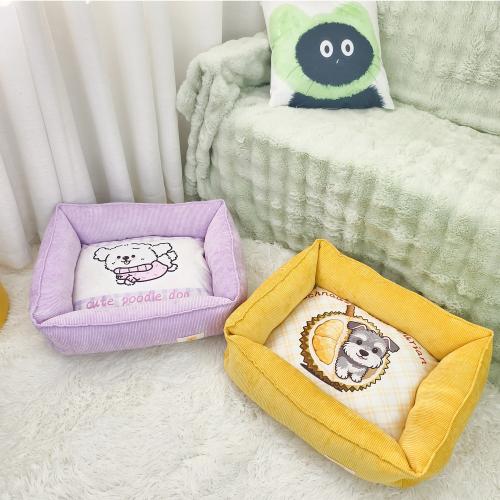
Pet Bed
Pet nest mats provide a comfortable resting space for cats, dogs and other household pets, and are suitable for placement in living rooms, bedrooms, balconies and pet activity areas.
Pet Toy
Pet toys Pet toys can enrich pets' daily activities and help increase the interaction between owners and pets. They are suitable for companionship, chasing, nibbling and basic training.
Pet Food Bowl
Pet food bowl Pet food bowl is used to hold pet food and drinking water. It is suitable for daily use by cats, dogs and other household pets, and is convenient for feeding, cleaning and organizing.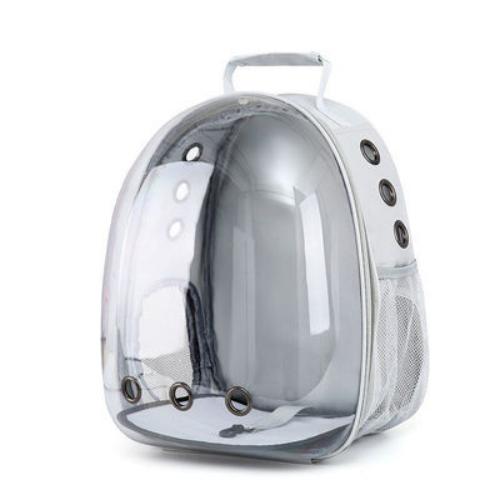
Pet Carrier Bag
Pet outing bag The pet outing bag is suitable for cats, small dogs and other small pets. It can be used for travel, medical treatment and daily outings. It has ventilation, portability and observation functions.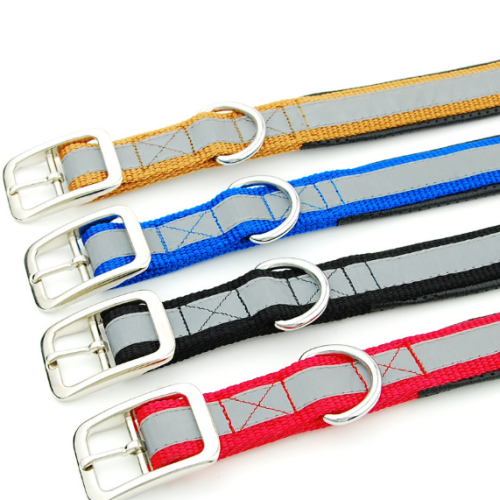
Pet Leash
Pet leash The pet leash is suitable for daily dog walking, outdoor activities and pet training. It helps owners better control the range of pet activities and improves convenience during outings.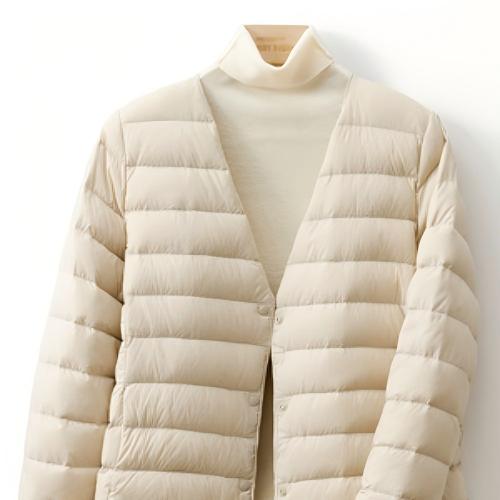
Lightweight Down Jacket
Thin Down Jackets Thin down jackets combine warmth retention, portability and mobility and are suitable for commuting, travel, outdoor leisure and daily wear in autumn and winter.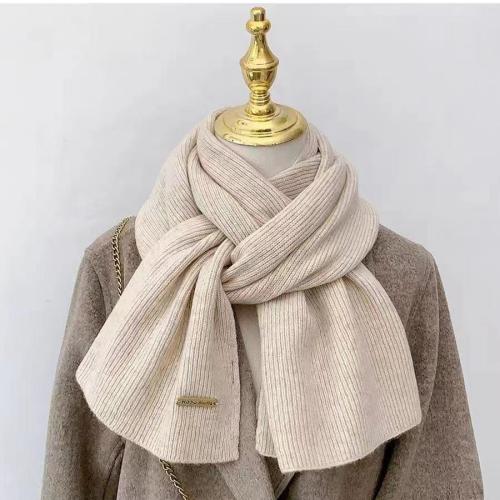
Winter Scarf
Winter scarf Winter scarf has both warmth and decorative functions. It is suitable for matching with down jackets, sweaters, coats and other winter clothing to meet the needs of daily commuting and casual wear.
Knitted Sweater
Knitted Sweater Knitted sweater is soft, comfortable and versatile, suitable for commuting, leisure, dating and home wear in autumn and winter. It can be worn alone or layered with a coat.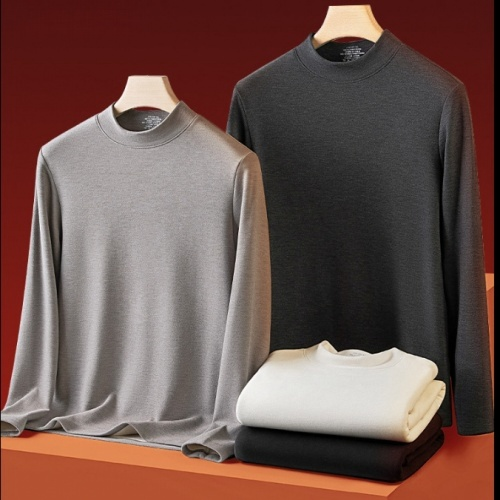
Thermal Underwear
Thermal underwear Thermal underwear is mainly used as close-fitting clothing in autumn and winter, suitable for commuting, home, travel and outdoor activities.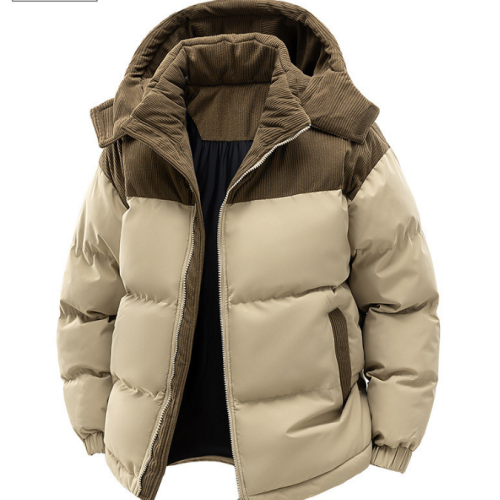
Padded Winter Coat
Thickened cotton jackets Thickened cotton jackets are suitable for cold weather and winter outdoor activities. They have more sufficient filling and thermal structure, and are suitable for daily commuting, traveling and low-temperature environments.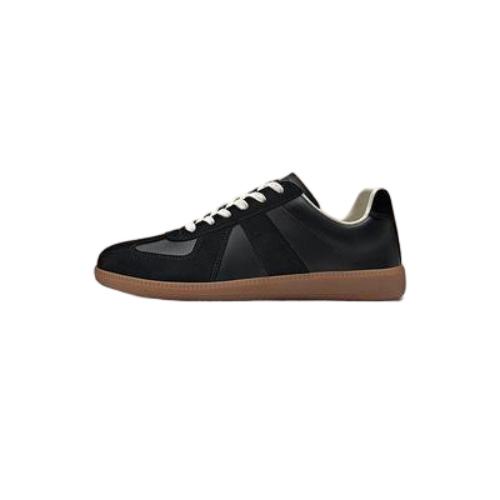
Fleece-Lined Casual Shoes
Velvet casual shoes are lightweight casual shoes with a warm lining that are suitable for commuting, shopping, around the house and short-distance travel in autumn and winter.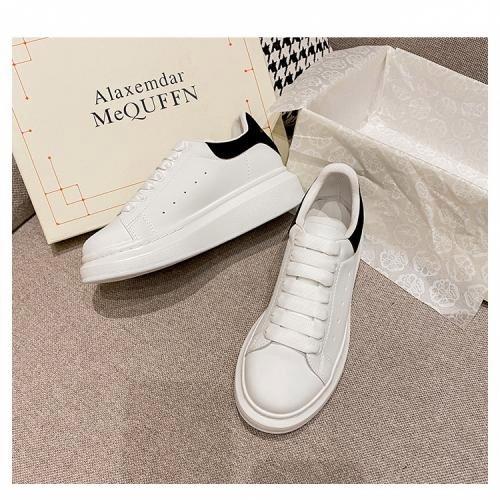
Winter Sports Shoes
Winter sports shoes Winter sports shoes combine warmth, lightness and flexibility, and are suitable for daily walking, leisure sports, urban commuting and winter outdoor activities.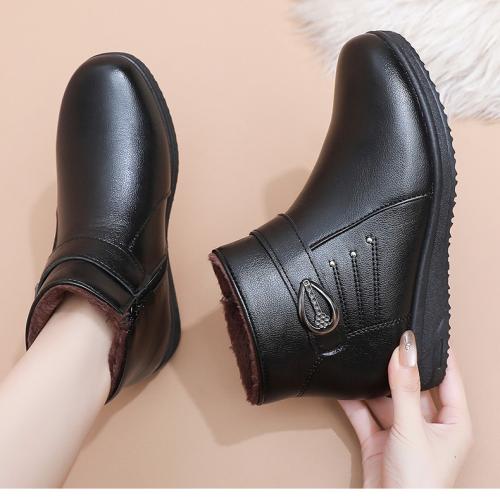
Waterproof Winter Boots
Waterproof winter boots Waterproof winter boots are suitable for rainy and snowy weather, urban commuting and winter outdoor activities. They help reduce moisture entering the shoes and improve the wearing experience in complex weather.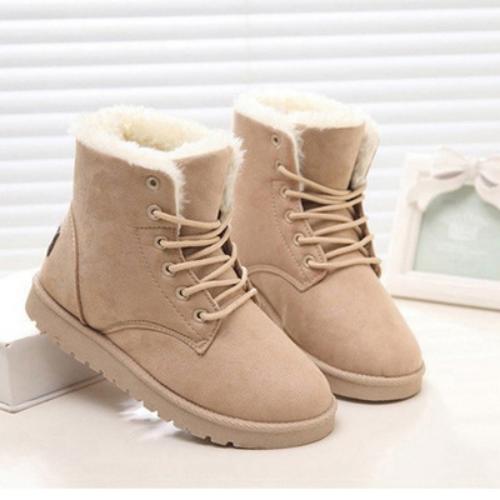
Warm Snow Boots
Thermal Snow Boots Thermal Snow Boots are suitable for cold weather, winter travel and outdoor activities. They combine warmth, protection and comfort. They are suitable for use in snow and low temperature environments.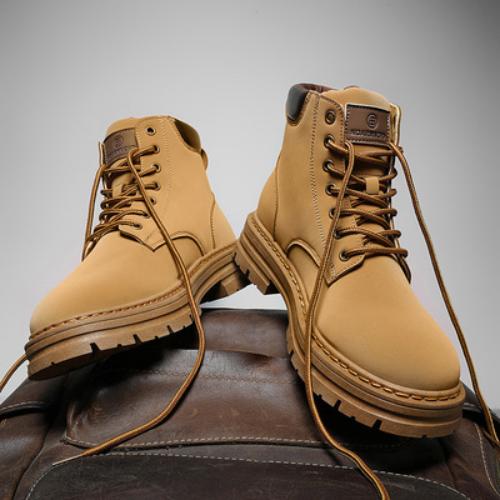
Slip-Resistant Ankle Boots
Non-slip short boots are suitable for commuting, shopping and outdoor travel in autumn and winter. The short-tube design is easy to put on and take off, and the sole texture helps improve walking stability on slippery roads.Services

Service theory 1 Amazon FBA fully managed service
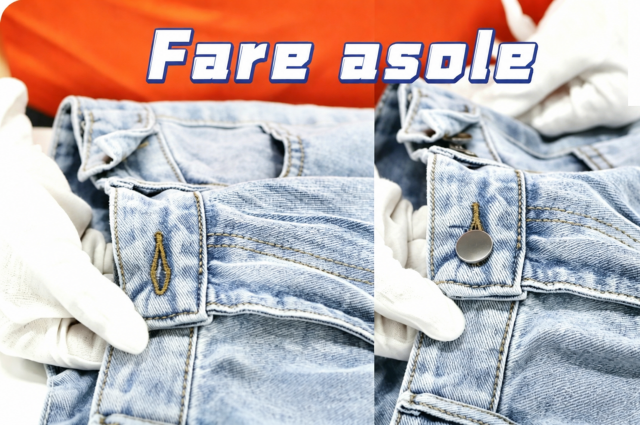
Clothing special services
Dropshipping with zero inventory

photo service

OEMODM customization

DAP door to door customs clearance
Customer Cases

Successful cooperation case 1: Say goodbye to supply chain hidden dangers

Cooperation Success Case 2 Zero Misunderstanding Communication
Solutions

Italian local team

Yiwu’s own inspection warehouse

Consolidated shipment from multiple suppliers

Spot purchase
Connecting China's Supply Chain with Your Business in Italy
Rakumart: Let the Chinese supply chain become an efficient engine for your Italian business. Rakumart is a professional one-stop service platform for B2B cross-border supply chain. It is committed to providing Italian merchants with digital full-link solutions from "product selection, procurement, quality control, warehousing, logistics" to "compliance and customs clearance". We are deeply linked to China's source industry resources such as 1688, and integrate more than 100,000 high-quality factories and suppliers to make your purchasing as simple, transparent and efficient as local shopping.

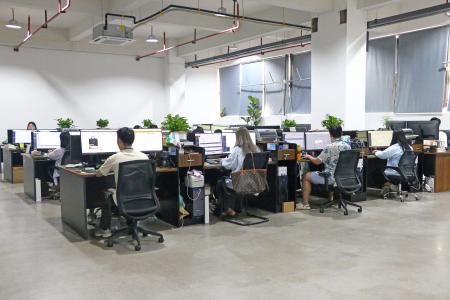

m² of Office Space

m² of Warehouse Space

Employees

Verified Suppliers
News & Insights
Rakumart.it is officially launched
Rakumart.it is officially launched: connecting the Chinese supply chain with the Italian market to create a more efficient cross-border procurement experience. As Italian companies and cross-border sellers continue to increase their demand for Chinese supply chains, how to complete product selection, procurement, quality inspection, logistics and compliant delivery more efficiently has become an important issue that many companies need to solve when expanding their business. In order to further serve the Italian market, Rakumart.it is officially launched. As a localized service platform created by Rakumart for Italian customers, the website connects Chinese supply chain resources with Italian local teams, warehousing and logistics services, providing Italian companies, Amazon sellers, independent merchants and distributors with a clearer and more convenient one-stop cross-border procurement solution. Procured from sources in China and delivered locally in Italy, Rakumart relies on 1688 and China’s manufacturing supply chain resources to provide customers with a rich selection of products and flexible purchasing methods. Customers can search for products based on categories, pictures, keywords and purchasing needs, and complete supplier matching, purchasing orders and order management through the platform. After the goods are purchased, they can enter Yiwu’s own inspection warehouse for centralized receipt and inspection. The professional team will check the product quantity, specifications, style, appearance and basic quality based on the order information, and help customers promptly detect mis-delivery, missing delivery and obvious abnormal problems before the goods are sent out. For purchase orders from multiple suppliers, Rakumart also provides consolidation, consolidation and combined shipping services. Goods from different suppliers can be uniformly entered into the warehouse and sent to Italy after inspection, sorting and packing, reducing the operational pressure on customers to deal with multiple suppliers and multi-ticket logistics respectively. A local team in Italy provides native language communication support. Cross-border procurement involves not only products and prices, but also a large number of communication details. Inaccurate understanding of product specifications, materials, quantities, packaging and delivery requirements may lead to procurement errors, delivery delays and even inventory backlogs. Rakumart has a local team in Italy to provide customers with native-speaking Italian communication support. From initial consultation, product confirmation, supplier communication, to logistics arrangements, customs clearance follow-up and after-sales processing, customers can communicate through familiar languages, reducing information transmission errors and improving the transparency and response efficiency of the procurement process. Through the collaboration between the Italian local team and the Chinese supply chain team, Rakumart hopes to allow Italian customers to connect with the Chinese supply chain in a simpler way and obtain a cross-border purchasing experience that is closer to local service habits. Rich SKUs and flexible ordering to meet different purchasing stages. The Rakumart platform covers more than 10 million SKUs, covering multiple categories such as home furnishings, hardware, clothing, accessories, and daily necessities, providing customers with a wider range of spot purchasing options. Whether it is testing new products for the first time, conducting small batch purchases, or making long-term large-scale purchases, customers can choose the appropriate purchase quantity based on their own sales plans and inventory needs. Flexible minimum ordering methods help reduce new product testing costs, reduce early inventory pressure, and help sellers verify market feedback faster. For customers with brand planning, the platform also provides OEM/ODM product development services, supporting product design, proofing confirmation and large-scale mass production, and can meet brand customization needs such as logo, packaging, hangtags and instructions. Covering Amazon FBA and Italian market fulfillment needs. For Amazon Italy sellers, Rakumart provides full-process services from 1688 product selection, factory procurement, to QC inspection, FBA labeling, packaging and finishing, and Italian FBA warehousing. For clothing customers, the platform can also provide special services such as label cutting, sewing labels, tag customization, ironing, folding and packaging, etc. to help goods complete shipment and terminal delivery in a neater and more unified state. In terms of international logistics, Rakumart matches customers with air, rail, sea and Italian dedicated transportation solutions based on cargo type, volume, weight, destination and delivery time. At the same time, it provides logistics track updates to help customers keep track of the transportation progress of goods from the Chinese warehouse to the destination in Italy. Pay attention to compliance and improve delivery services in Italy. For goods entering the Italian market, product compliance, declaration materials and customs clearance requirements are important components of cross-border delivery. Rakumart provides pre-compliance review before placing orders to help customers understand in advance the certification, transportation and customs clearance requirements that may be involved in different categories. For common compliance needs in Amazon and the Italian market, the platform can assist in connecting CE, REACH, RoHS, food contact materials, toy safety and other related testing services. For goods containing lithium batteries, liquids, powders, magnetic substances and other goods that may be involved in the transportation of dangerous goods, the platform will also conduct an audit of DG transportation conditions based on the actual situation. In the DAP door-to-door service, Rakumart covers international transportation, customs clearance in the destination country, and terminal delivery. Qualified corporate customers can use their own tax numbers to complete customs clearance and obtain relevant declarations and tax vouchers based on the regulations of the destination country and corporate qualifications. Arrangements such as VAT deferral will be confirmed based on the specific requirements of the goods, import entities and destination countries. Rakumart.it: Making cross-border procurement more transparent and simpler The launch of Rakumart.it is not only the release of a website, but also represents the further improvement of Rakumart’s localized service capabilities for Italy and the Italian market. Through Chinese source procurement, Yiwu warehousing inspection, supplier consolidation, Italian local team, Italian logistics and compliance support, Rakumart hopes to help more small and medium-sized enterprises, cross-border sellers and distributors lower the threshold for entering the Chinese supply chain. In the future, Rakumart will continue to improve website functions and localized services to provide customers with more transparent prices, clearer order processes, more stable logistics solutions and more efficient supply chain support. Welcome to Rakumart.it to learn more about China procurement, Amazon FBA, brand customization, logistics customs clearance and Italian local fulfillment services. Rakumart – makes cross-border purchasing as easy as local purchasing. Date: 2026.9.1

Why should you purchase goods from 1688 and import them to Italy?
Why should you purchase goods from 1688 and import them to Italy? When a business or online seller wants to import goods from China to Italy, Alibaba or AliExpress usually come to mind first. However, many more experienced buyers prefer another option: sourcing from Italy in 1688 for better prices and greater access to local suppliers. 1688 is one of the most powerful wholesale procurement platforms in China, especially suitable for finding factory, workshop-type suppliers or suppliers with more competitive prices than platforms facing the international market. IMPORTANT NOTE: This guide is for reference only and is not a substitute for legal, customs clearance or tax advice. Before confirming an international order, it is recommended that you verify the true cost, supplier conditions, logistics arrangements, and import requirements. What is 1688 and why many importers use it 1688 is a B2B platform for the Chinese local market. Unlike other more international websites, many of the suppliers here mainly serve local Chinese buyers, distributors and cooperative factories. Because of this, if you want to increase profit margins through Chinese imports, find new products, or negotiate cooperation directly with Chinese factories, purchasing on 1688 will be very attractive. In practice, many purchasing agents and sourcing consultants will use 1688 because it can help them: Compare more suppliers See quotes that are closer to factory prices Find some products and factory resources that may not be seen on Alibaba Advantages of sourcing from Italy in 1688 1. The price of importing from China is lower One of the biggest advantages of 1688 is the price. Many items are cheaper than Alibaba or AliExpress because this platform mainly serves the Chinese domestic market. If you’re doing Amazon, independent e-commerce, or local distribution, this price difference can help you increase your profit margins. 2. More types of Chinese suppliers 1688 brings together a large number of products covering multiple categories, such as: Household products Clothing fashion Packaging materials Accessories Hardware tools Fitness products Electronic products Seasonal products This makes it easier for you to: Compare different factories Test market segments Find better cooperation conditions without constantly switching platforms. 3. More direct contact with manufacturers. In many cases, 1688 can help you identify real suppliers more clearly and view corporate information, product catalogs and business activity. This is especially helpful if you want to: Customize products Private label Long-term repeat purchases. What to Check Before Importing from China on 1688 Although the advantages are clear, 1688 is not always easy to operate for international buyers. If you lack experience, you may encounter many problems when purchasing on your own. Before placing an order, check at least the following points: Minimum order quantity Actual production lead time Packaging quality Exchange or return policy Supplier experience Whether quality inspection is possible Whether the product is suitable for the Italian market The total cost after adding international shipping A cheap price does not necessarily mean a good buy. In international purchasing, the true cost often comes after you factor in: The product itself Quality control Shipping costs Exception handling Delivery and time costs Common mistakes when purchasing from Italy in 1688 Many guides often don’t go into depth enough. In actual operation, the following are some of the most common “pitfalls” that people step into when importing Chinese goods from 1688: 1. Suppliers are willing to take orders, but do not understand the export requirements. Some suppliers do well in domestic sales in China. But it was not ready to serve international customers. This may affect: Labeling requirements Packaging specifications Documentation Delivery time 2. Return policy is not as simple as it seems In domestic purchases in China, some returns are possible. But in cross-border transactions, returns often become: High cost Long cycle or even not feasible at all 3. The pictures look the same, but the physical details are different This situation is particularly common in the following categories: Textiles Accessories Packaging products Low-priced goods Therefore, it is still very critical to do inspection or get samples first. 4. Goods are delayed during consolidation or pre-transportation. Not all delays occur at customs. Sometimes problems occur in earlier stages, such as: Unqualified packaging Suppliers are too slow Coordination is not in place Abnormalities in the container warehouse 5. The seller responds quickly in the early stage, but the follow-up is unstable. Many times, the initial communication seems to be smooth. But once it enters the following stages, the response speed may drop significantly: Production changes Replenishment communication After-sales or complaint handling Therefore, experienced buyers will not choose suppliers based on price alone. They will also focus on: Stability Communication skills Actual performance capabilities Long-term consistency How to start purchasing in 1688 and import to Italy 1. Search for products by category You can browse 1688’s main product categories to find opportunities suitable for wholesale purchasing. 2. Use the category menu for more precise filtering. Through category navigation, you can find market segments and subcategories more easily, especially when you have not locked in a specific supplier. 3. Check the supplier information. Before purchasing, try to verify the following: Company information Industry experience Business response situation Contact channels 4. Make a small test order first. Do not directly increase the quantity on the first order. It is recommended to pass a small order test first to verify: Product quality Packaging condition Delivery time Supplier stability 5. If you are not familiar with the process, use professional support If you do not speak Chinese, or do not have local execution capabilities in China, a purchasing agent can help you handle: Product selection and finding suppliers Negotiation Payment Inspection Shipping arrangements Under what circumstances is it appropriate to use 1688 Purchasing Agent If this is your first time doing this process, working with a purchasing agent can help you avoid many mistakes. An agent can usually assist you with: Finding reliable Chinese suppliers Negotiating purchasing terms Verifying product details Inspecting samples Paying local Chinese suppliers Consolidating goods Coordinating shipments to Italy For many international buyers, an agent not only saves time, but more importantly reduces operational risks. Want to purchase from 1688 but don’t want to be stumped by language, payment and logistics? If you want to source from Italy in 1688 but don’t know how to verify suppliers, process payments, or arrange international logistics, we can help. Rakumart can provide the following support: sourcing procurement support inspection services supplier payment international logistics coordination to help you import from China safer and smoother. 👉 Apply for 1688 Procurement Assistance 👉 Apply for supplier or product review 👉 Inquire about shipping and consolidation options Conclusion If you want to get better prices, more supplier choices, and more direct access to Chinese manufacturers, sourcing from Italy at 1688 will be a strategy well worth considering. However, importing from China using 1688 requires greater process controls than sourcing on simpler international platforms. If you don’t carefully vet your suppliers, quality, return terms, and logistics arrangements, the initial cost savings will be lost. It will most likely be paid back at a higher cost later. If you want to take advantage of the advantages of 1688 importing, but don’t want to bear all the risks alone, seeking professional support can often make a decisive difference. Date: 2026.9.15

OEM-ODM difference
The Difference Between OEM and ODM: Analysis of Advantages and Disadvantages and How to Choose If you are evaluating a manufacturing partnership model, it is important to understand the difference between OEM and ODM to choose the right option for your business. Simply put, under the OEM model, the customer company provides product design and technical specifications, and the manufacturer is responsible for producing as required; while under the ODM model, the manufacturer is not only responsible for production, but also provides product design, and the customer’s brand can be directly affixed with its own brand for sales. While both models are very common in international manufacturing, they each serve different needs. Choosing OEM or ODM usually depends on your requirements for degree of customization, budget, speed to market, and product control. What is an OEM? OEM is the abbreviation of Original Equipment Manufacturer, which is usually translated as original equipment manufacturer in Chinese. In this model, the customer company is responsible for the development of product concept, design, and technical specifications, while the OEM manufacturer produces according to these requirements. Characteristics of the OEM model • Product design is provided by the customer company • Production is completed by the manufacturer • Products are sold under the customer’s brand • Suitable for companies with independent design or R&D capabilities Under what circumstances is it appropriate to choose OEM? OEM is often a more suitable choice when a company: • Already has a clear product design • Needs a higher degree of customization • Wants to form a clear differentiation in the market • Wants to maintain greater control over the brand and user experience What is ODM? ODM is the abbreviation of Original Design Manufacturer, which is usually translated as original design manufacturer in Chinese. In this mode, The manufacturer is not only responsible for production but also for product design. Client companies can choose an existing design, make minor adjustments, and sell it under their own brand. Characteristics of the ODM model • Product design is developed by the manufacturer • Production is also completed by the manufacturer • Customers can use their own brands to sell products • Suitable for companies that want to go to market quickly and with low initial investment. Under what circumstances is it appropriate to choose ODM? ODM usually has more advantages when an enterprise has the following needs: • Wants to enter the market quickly • Does not have its own R&D team • Wants to reduce product development costs • Can accept a more limited degree of customization The core difference between OEM and ODM The core difference between OEM and ODM lies in the ownership of product design responsibility. • OEM: Customer design, factory production • ODM: Factory design and production From a practical perspective, OEM provides higher control and room for differentiation, but usually requires more time, investment and communication costs; ODM helps launch products faster, but is usually weaker in uniqueness and exclusivity. Advantages and Disadvantages of OEM Model Advantages of OEM 1. Stronger brand control: Customer companies control product design and can better align with brand positioning. 2. High degree of customization: Materials, functions, appearance and technical parameters can be adjusted according to the needs of the target market. 3. Utilize external manufacturing capabilities: Companies can produce products without building their own factories, purchasing equipment, or setting up a production team. 4. Focus more on strategic links: After manufacturing is handed over to the factory, the company can focus on research and development, marketing, channels and sales. Disadvantages of OEM 1. Dependence on manufacturers: May face risks such as insufficient production capacity, delayed delivery or unstable quality. 2. Intellectual property risk: Core assets such as drawings, specifications, molds and technical documents need to be protected through clear contracts. 3. Higher coordination complexity: Since design and production belong to different entities, technical communication must be very precise, otherwise it is easy to make mistakes. Advantages and Disadvantages of ODM Model Advantages of ODM 1. Faster time to market: Due to development based on off-the-shelf designs, companies can significantly shorten product time to market. 2. Lower R&D costs: There is no need to undertake the complete product design and development process from scratch. 3. Lower technical risk in the early stage: ODM factories usually adopt proven or mature design solutions. 4. Greater business flexibility: Customers can choose from existing products and make small adjustments to suit the target market. Disadvantages of ODM 1. Weak brand differentiation: If multiple customers adopt similar basic designs, product uniqueness may be insufficient. 2. Limited design control: It is difficult for the customer company to completely determine all technical details and functional settings. 3. Intellectual property rights and exclusivity risks: It is necessary to confirm in advance whether the design involves third-party rights, and clarify the scope of modification and use in the contract. 4. Reliance on the manufacturer’s innovation capabilities: The speed of subsequent product iterations often depends on the supplier’s own R&D capabilities. How to choose between OEM and ODM? No one model is absolutely better, it all depends on your business goals. Suitable situations for choosing OEM If you meet the following conditions, it is recommended to give priority to OEM: • You need highly customized products • You already have independent designs or clear technical specifications • Your brand strategy relies on obvious differentiation • You are willing to invest more time in development and communication Suitable situations for choosing ODM If you value the following factors more, ODM may be more suitable for: • Want to launch products quickly • Relatively limited budget • No internal design or R&D team • Want to verify the market first before deciding whether to carry out independent development Things that need to be confirmed before cooperating with manufacturers Regardless of choosing OEM or ODM, it is recommended to check the following before signing: • Intellectual property rights and confidentiality clauses • Ownership of molds, drawings and technical documents • Quality standards and inspection processes • Delivery cycle and actual production capacity • Certification qualifications and regulatory compliance • Whether the conditions for exclusive cooperation are met • After-sales support and problem handling mechanism If the product falls into a regulated category, it is also recommended to additionally confirm compliance matters such as technical certification, labeling requirements, and safety regulations required by the target market. Expert advice: How to use quality standards as a basis for auditing suppliers? Regardless of whether you ultimately choose OEM or ODM, when evaluating a supplier, you should not only look at price, but also whether its management system is sound. As an important basis for supply chain management audits, I recommend giving priority to confirming whether suppliers have passed ISO 9001:2015 quality management system certification. Why is this a critical review point? 1. Consistency guarantee ISO 9001 certification indicates that the manufacturer has standardized operating procedures (SOP). • For OEM projects, this means the process is controllable when your design drawings are converted into samples and mass production. • For ODM projects, this means that each batch of OEM products is more likely to consistently meet established quality standards. 2. Documentation management When auditing the factory, You can ask to see: • Engineering change orders (ECO/ECN) • Defect analysis reports • Quality exception handling records If a factory cannot provide relevant documents based on the ISO management system, then your core intellectual property and execution quality in OEM customization may be at higher risk. 3. Continuous improvement capabilities Factories certified by ISO 9001 usually establish a regular corrective and preventive action (CAPA) process. When deviations occur in production, such factories can often provide more professional and transparent problem tracking and improvement plans, rather than simply passing the buck. Professional advice: When conducting on-site factory inspections or evaluating supplier reports, don’t just look at the certificate itself. You should also ask the factory quality manager directly: “How are you implementing the ISO 9001 framework into your current order process?” Compliance and credibility will usually be higher if the other party can clearly explain its internal audit mechanism and how it is actually implemented. Conclusion The main difference between OEM and ODM is who is responsible for product design. In the OEM model, the customer controls the design and the manufacturer is responsible for production; in the ODM model, the manufacturer provides both design and production, so brands can bring products to market faster. If your business values control, personalization and brand differentiation more, OEM is often a more suitable choice; if your priority is to shorten the cycle, reduce upfront investment and enter the market quickly, then ODM may be more suitable for you. Before making a decision, it is recommended that you comprehensively evaluate: cost, intellectual property rights, project cycle, and the manufacturer’s true capabilities. Only in this way can we find the cooperation model that best suits our business stage and market goals. ───────────────────────────────────────────────── This article is written by Rakumart, who has 10 years of experience in the supply chain management and production field. Date: 2026.9.15
Have a question about sourcing or shipping? Send us a message.